
For non-native English and French speakers, demonstrating language proficiency is a crucial step in the admission process to Canadian educational institutions. Most universities and colleges require applicants to submit scores from standardized language tests to ensure they have the skills necessary to succeed academically.

English proficiency tests
- IELTS (International English Language Testing System) Academic: One of the most widely accepted tests, with most institutions requiring an overall band score between 6.0 and 7.0, depending on the program. Some schools may set minimum scores for individual sections such as listening, reading, writing, and speaking.
- TOEFL (Test of English as a Foreign Language): Another popular test, especially for university admissions. The required score typically ranges between 80 and 100 for the internet-based test (iBT). Some institutions may also accept the paper-based version of the TOEFL.
- PTE (Pearson Test of English) Academic: This test is gaining popularity in Canada. Minimum scores generally range from 58 to 65, but requirements vary by institution.
- CAEL (Canadian Academic English Language) Assessment: Specifically designed for Canadian institutions, the CAEL test measures English proficiency in academic contexts. A score between 60 and 70 is typically required for admission.
- Cambridge English Exams (C1 Advanced/C2 Proficiency): These are globally recognized tests that some Canadian institutions accept. The required score depends on the specific exam, but typically ranges from 180 to 200.
- Duolingo English Test: Increasingly accepted by Canadian institutions, the Duolingo test is a convenient, online option. Required scores generally range between 105 and 125, though this varies by school and program.

French proficiency tests
- TEF (Test d’Évaluation de Français): One of the most commonly accepted tests for academic and immigration purposes. Institutions usually require a score of at least B2 on the CEFR (Common European Framework of Reference for Languages) scale, though requirements may vary by program.
- TCF (Test de Connaissance du Français): Another widely recognized test, the TCF measures general French language proficiency. Like the TEF, a minimum score of B2 is typically required, depending on the program and institution.
- DELF (Diplôme d’Études en Langue Française): This diploma certifies proficiency at various levels, and most institutions require a minimum B2 level for admission.
- DALF (Diplôme Approfondi de Langue Française): A more advanced certification than the DELF, the DALF is often required for graduate programs. Institutions generally look for a C1 or C2 level on the CEFR scale.
Pathway programs
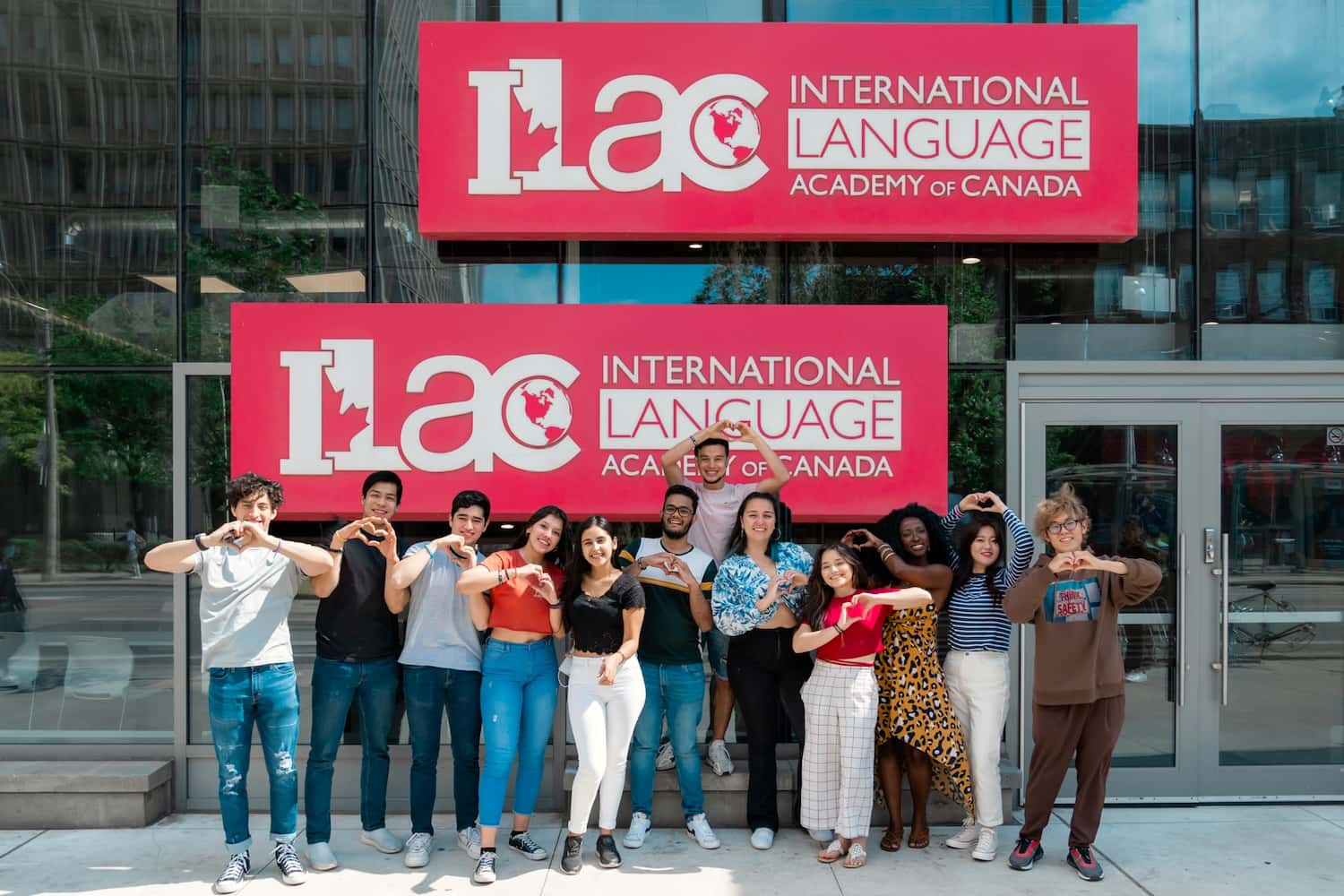
Language pathway programs are specially designed courses aimed at helping non-native speakers improve their language proficiency before they begin their academic studies. These programs typically combine language instruction with academic preparation, allowing students to build the necessary skills to succeed in their chosen fields of study.
- Flexible learning options: Pathway programs are available in both in-person and online formats, providing students with the flexibility to choose the mode of study that best suits their needs.
- Pathway certificates as language proficiency substitutes: Completing a pathway program can often be accepted as a substitute for standardized language tests. This means that students can demonstrate their language proficiency in a more relaxed environment compared to the stress of traditional test-taking.
- Increased admission opportunities: Many institutions view pathway programs favourably, as they demonstrate a commitment to improving language skills and an understanding of academic expectations.

Exam preparation tips
- Familiarize yourself with the test format: Understanding the test format is essential for success. Begin by reviewing the different sections and content of the test. Go through the official test guidelines, syllabus, and sample questions to get a clear idea of what to expect on test day. It’s also important to identify the specific skills that will be assessed, such as reading, writing, listening, and speaking, so you can prepare accordingly.
- Evaluate your current language proficiency: Taking practice tests or answering sample questions can help you evaluate your performance in various language skills. Analyze your results to pinpoint areas that need improvement. This self-assessment is crucial for tailoring your study plan, allowing you to focus on the aspects of the language that require the most attention.
- Establish clear and achievable objectives. Establishing specific, measurable goals is vital for effective studying. Consider goals such as improving vocabulary, enhancing grammar skills, or increasing reading speed. Break these goals down into smaller milestones to help you track your progress effectively.
- Strengthen your language fundamentals: Building a strong foundation in grammar, vocabulary, and pronunciation is key to language proficiency. Review basic grammar rules, practice common idioms and expressions, and work on improving your pronunciation.
- Engage in consistent practice: Regular practice is essential for language acquisition. Engage in activities that involve reading, writing, speaking, and listening. Immerse yourself in the language by listening to music, watching movies, reading books, and writing every day. This consistent practice will help you become more comfortable with the language and improve your overall skills.
- Seek feedback and learn from mistakes: Receiving feedback is crucial for language improvement. Consider finding a tutor or language partner who can provide insights into your language skills. Keep a record of your mistakes and review them regularly to avoid repeating them.
- Focus on developing individual skills: To enhance your reading skills, focus on identifying main ideas, supporting details, and context in various texts. For writing improvement, practice consistently across different formats and seek feedback to identify areas for growth. To strengthen your listening skills, listen actively to podcasts, interviews, movies, and TV shows, noting important concepts and details. For speaking skills, practice articulating your thoughts clearly and confidently by engaging in conversations with tutors or friends, participating in language exchange programs, or using language-learning apps.
